


 Dubai Tourist Visa
 China Tourist Visa
 South Korea Tourist Visa
 Japan Tourist Visa
 Taiwan Tourist Visa
 Hong Kong Tourist Visa
 Golden Visa UAE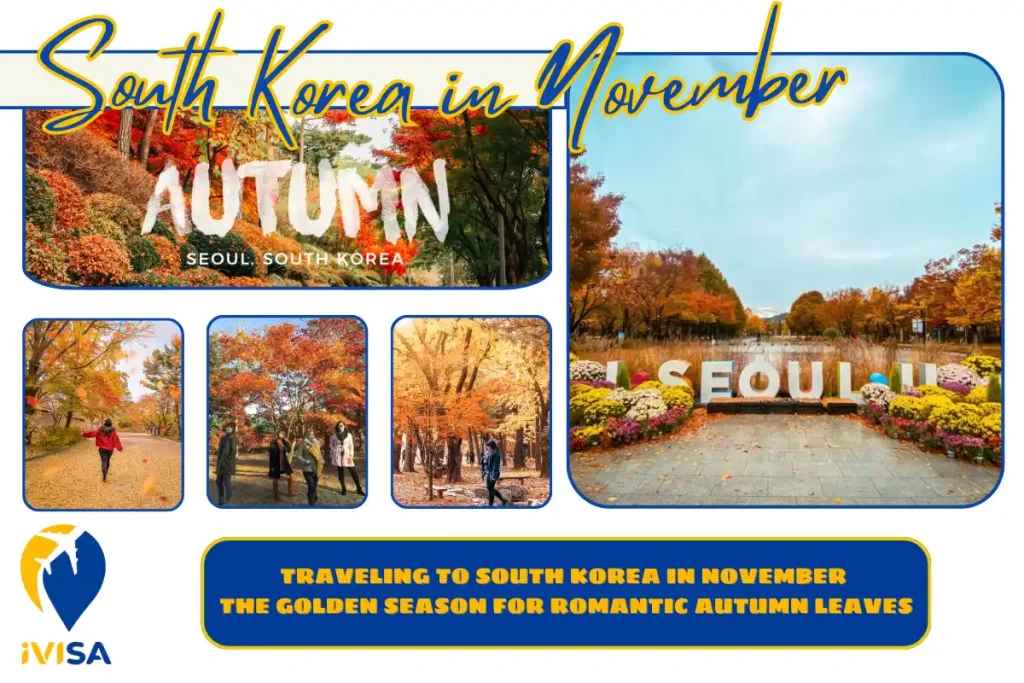
Overview of Traveling to South Korea in November
What makes traveling to South Korea in November so special? This is the transitional period between autumn and winter, when the country is wrapped in its most charming and romantic scenery of the year. Streets are covered with golden and crimson leaves, the sky is clear blue, and the crisp air feels refreshing — making anyone who visits fall in love with the atmosphere of the “Land of the Morning Calm.”
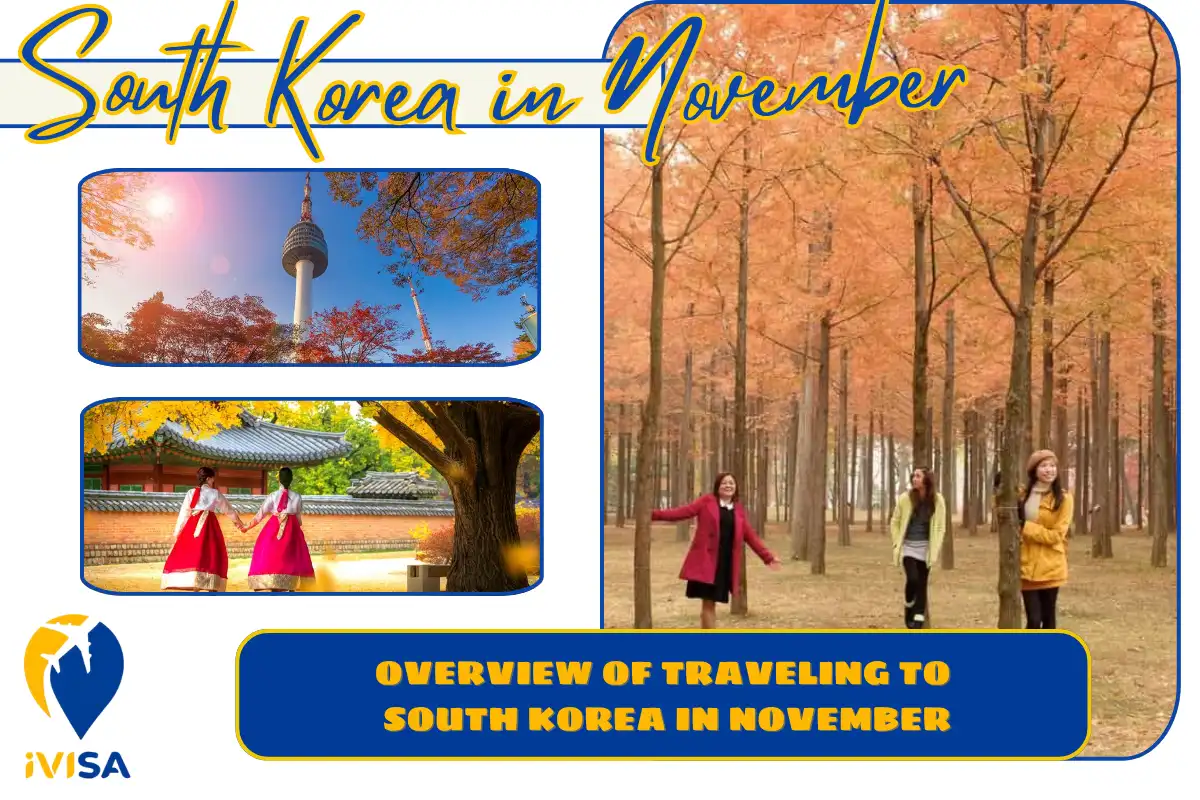
It’s one of the few times when visitors can witness the last shades of autumn while feeling the freshness of early winter. If you’re looking for a time that’s beautiful, less crowded, yet full of life, November is the ideal month to explore South Korea.
Weather in South Korea in November
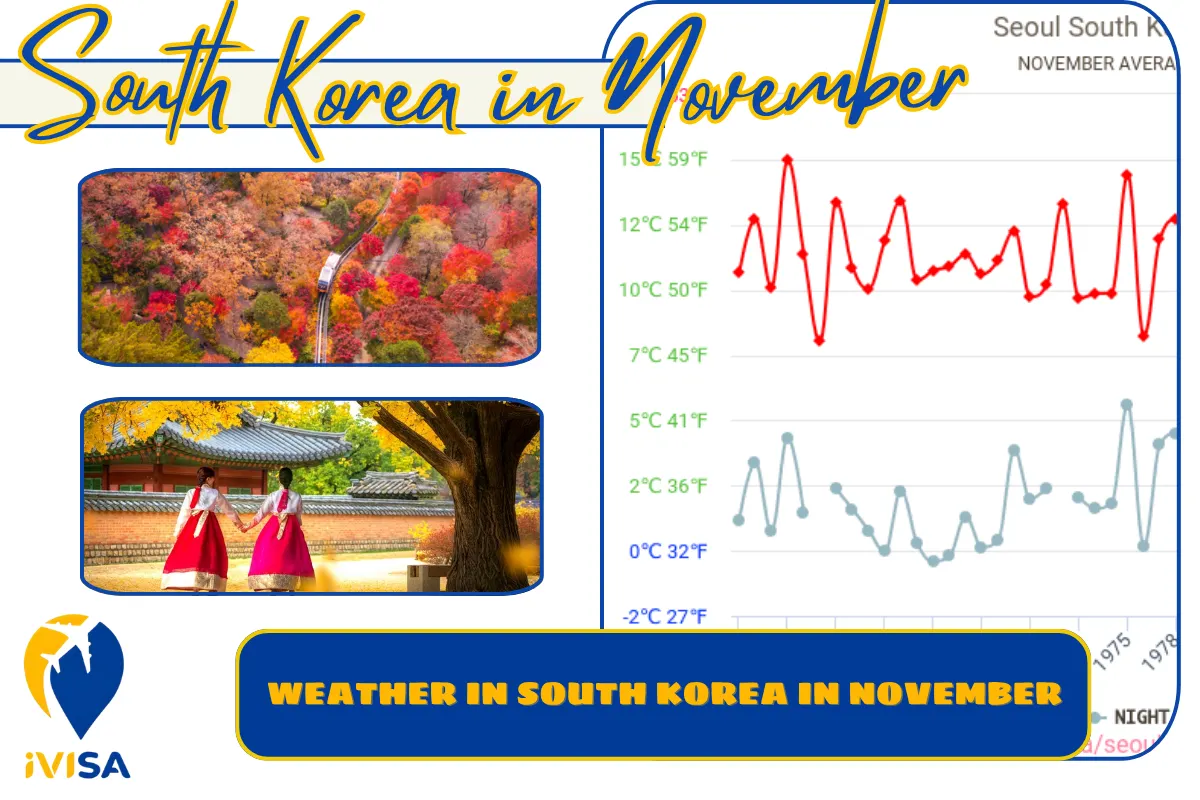
The weather in November is generally mild and pleasant. Rain is rare, the air is dry, and there’s plenty of gentle sunshine during the day with a cool chill in the evenings.
Average temperatures range from 2°C to 13°C, with low humidity — perfect for outdoor activities like strolling, hiking, or enjoying the fall foliage.
Regional Climate Differences in November
Due to South Korea’s varied topography, different regions experience slightly different climates in this season.
|
Region |
Average Temperature | Humidity (%) | Rainfall (mm) |
|
Seoul |
4°C – 13°C | 55 | 50 |
|
Busan |
8°C – 15°C | 60 |
45 |
| Jeju | 10°C – 16°C | 65 |
70 |
| Gangwon | 0°C – 10°C | 50 |
40 |
What to Wear When Traveling to South Korea in November
November marks the end of autumn, when temperatures start to drop noticeably between day and night. Therefore, packing the right outfits is essential for a comfortable and enjoyable trip.
Bring a warm jacket, sweaters, thermal wear, and long pants to keep your body warm throughout your journey. If you plan to visit mountainous areas or high-altitude regions, the temperature can get even lower — so it’s a good idea to pack scarves, gloves, and wool hats. These not only keep you warm but also add a stylish touch to your autumn–winter outfits in South Korea.
Comfortable sneakers or short boots are recommended for walking on slopes or large sightseeing areas. Also, pack hand warmers, heat patches, and a compact umbrella in case of unexpected weather changes. Because the temperature can vary greatly between morning, noon, and night, the best tip is to dress in layers so you can easily adjust as needed during the day.
Top Places to Visit in South Korea in November
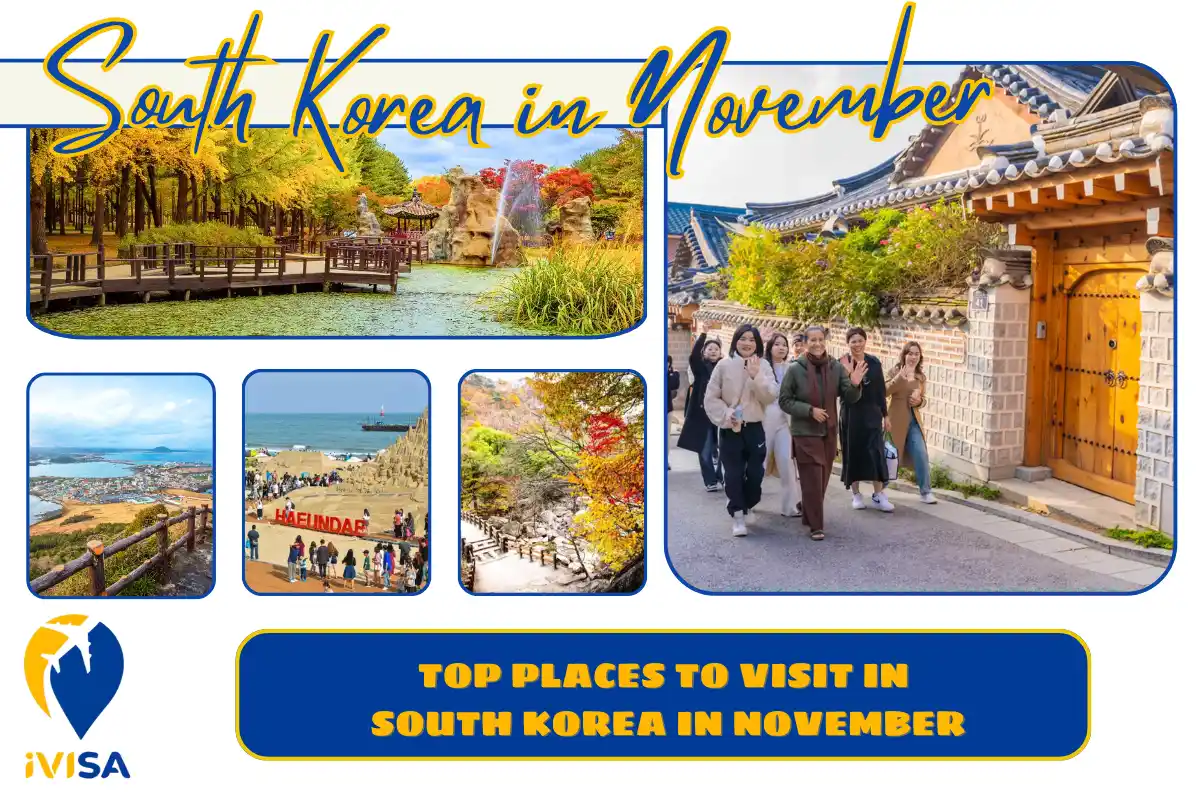
November is when South Korea looks its most romantic. Maple and ginkgo trees turn brilliant shades of red and gold, blending with the cool, gentle air to create postcard-perfect scenery. Here are the top destinations to experience this beauty:
Nami Island (Namiseom)
Just about an hour from Seoul, Nami Island is famous for its golden ginkgo trees and iconic maple-lined paths featured in the classic drama “Winter Sonata.” Whether you visit alone or with loved ones, it’s the perfect place to feel the essence of Korean autumn.
Seoraksan National Park
An ideal destination for nature lovers and photographers. In November, Seoraksan glows with a mix of fiery leaves and the season’s first snow — a breathtaking sight that’s truly one of a kind.
Bukchon Hanok Village (Seoul)
Located in the heart of the capital, this traditional village preserves Korea’s cultural heritage through its elegant hanok houses. Walking through narrow alleys surrounded by autumn leaves and ancient tiled roofs offers a serene contrast to the modern city.
Busan – Haeundae Beach
While northern Korea cools down, Busan still enjoys a hint of warmth. November is a great time to stroll along Haeundae Beach, visit Jagalchi Fish Market, and enjoy freshly caught seafood — a must-try part of any November trip to Korea.
Jeju Island
In late autumn, Jeju becomes tranquil and picturesque, with golden canola flower fields and fiery-red maple trees. The clean air and peaceful scenery make it an ideal spot to wrap up your Korean adventure.
Festivals and Special Events in November
November in South Korea is also the season of light and cultural festivals that showcase the country’s rich traditions. These events not only bring joy but also offer visitors a glimpse into local life.
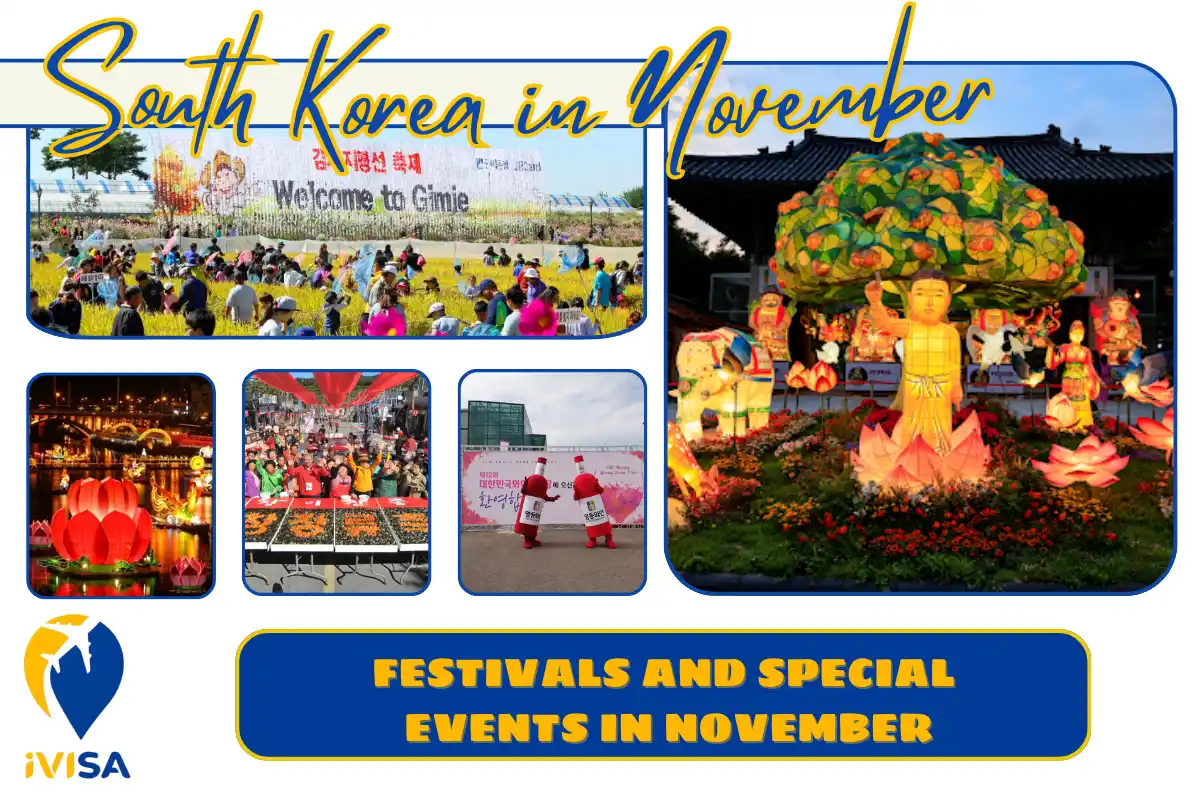
Notable festivals include:
- Seoul Lantern Festival: Held along Cheonggyecheon Stream, where thousands of colorful lanterns illuminate the night, depicting traditional stories and folklore.
- Namyangju Wine & Food Festival: A blend of local cuisine and wine tasting, complete with cooking workshops and live performances.
- Gimje Horizon Festival: Celebrated in Jeollabuk-do Province, this festival honors Korea’s agricultural heritage with drumming shows, parades, and folk games.
- Jinju Namgang Lantern Festival: One of Korea’s biggest light festivals, featuring thousands of floating lanterns drifting across the Namgang River — an enchanting, dreamlike spectacle.
Travel Tips for Visiting South Korea in November
To ensure your trip to South Korea in November goes smoothly and perfectly, careful preparation—from packing to planning your itinerary—is extremely important. Below are some useful Korea travel tips to help you have a memorable journey in the Land of the Morning Calm.
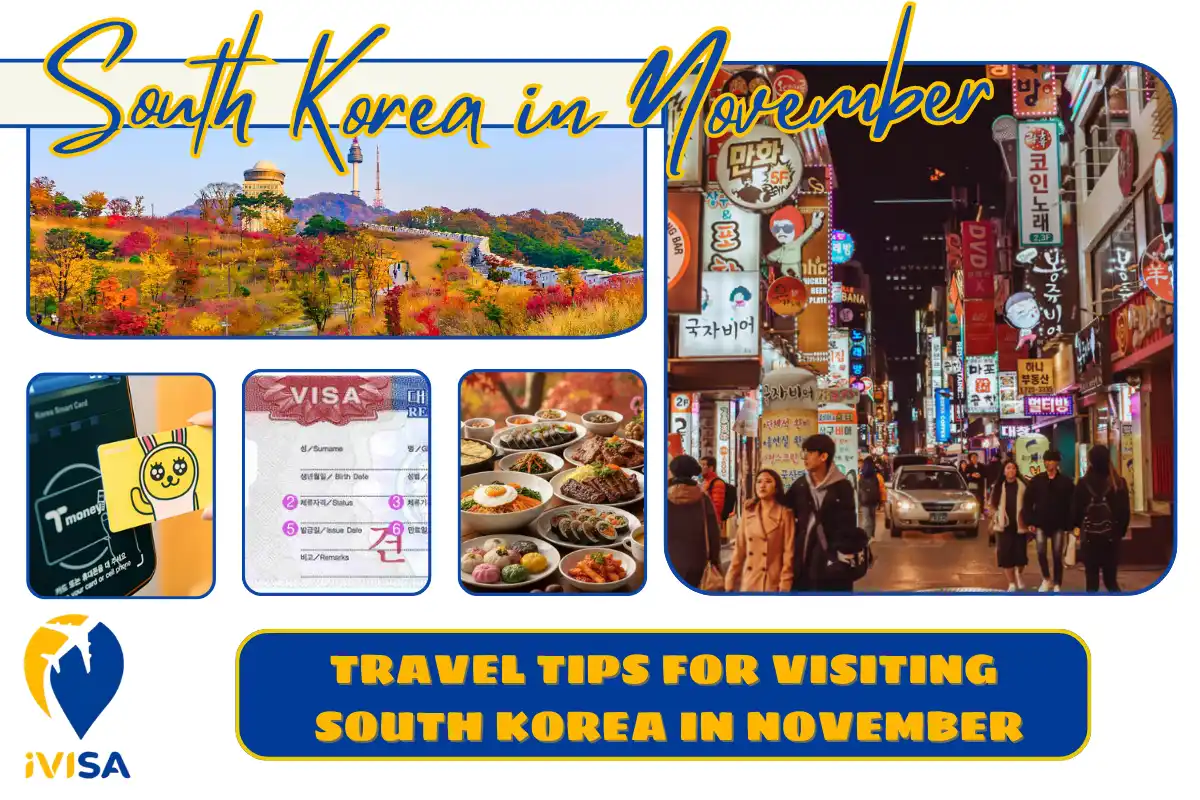
Packing Essentials
Bring all necessary documents such as your passport, Korea travel visa, and return ticket, along with power banks and plug adapters. Since it’s chilly, pack warm clothes, thick jackets, gloves, hats, and comfortable shoes. Don’t forget cold medicine, motion sickness pills, and basic personal care items to stay prepared.
Accommodation and Transportation
Book hotels near subway stations in Seoul or Busan for easy access to public transport. Get yourself a T-money card — it works for buses, subways, and even convenience stores. If you plan to travel between cities, reserve your KTX high-speed train tickets early to secure the best prices and schedules.
Must-Try Food
Autumn and winter in Korea bring warm, comforting flavors. Try kimchi stew, spicy rice cakes (tteokbokki), ginseng chicken soup (samgyetang), and roasted sweet potatoes. For a cozy experience, visit Insadong or Hongdae’s small cafés — sip a hot coffee with cake while enjoying the chilly breeze outside.
Suggested Itinerary
If you prefer guided tours, a 5–7 day trip usually includes highlights like Seoul – Nami – Busan – Jeju, blending sightseeing and cultural experiences. Independent Korea travelers can spend 2–3 days in Seoul, 2 days in Busan, and 1–2 days in Jeju for a well-balanced journey without feeling rushed.
Important Travel Notes for November
Although November is one of the best times to visit, travelers should still take a few precautions for safety and comfort.
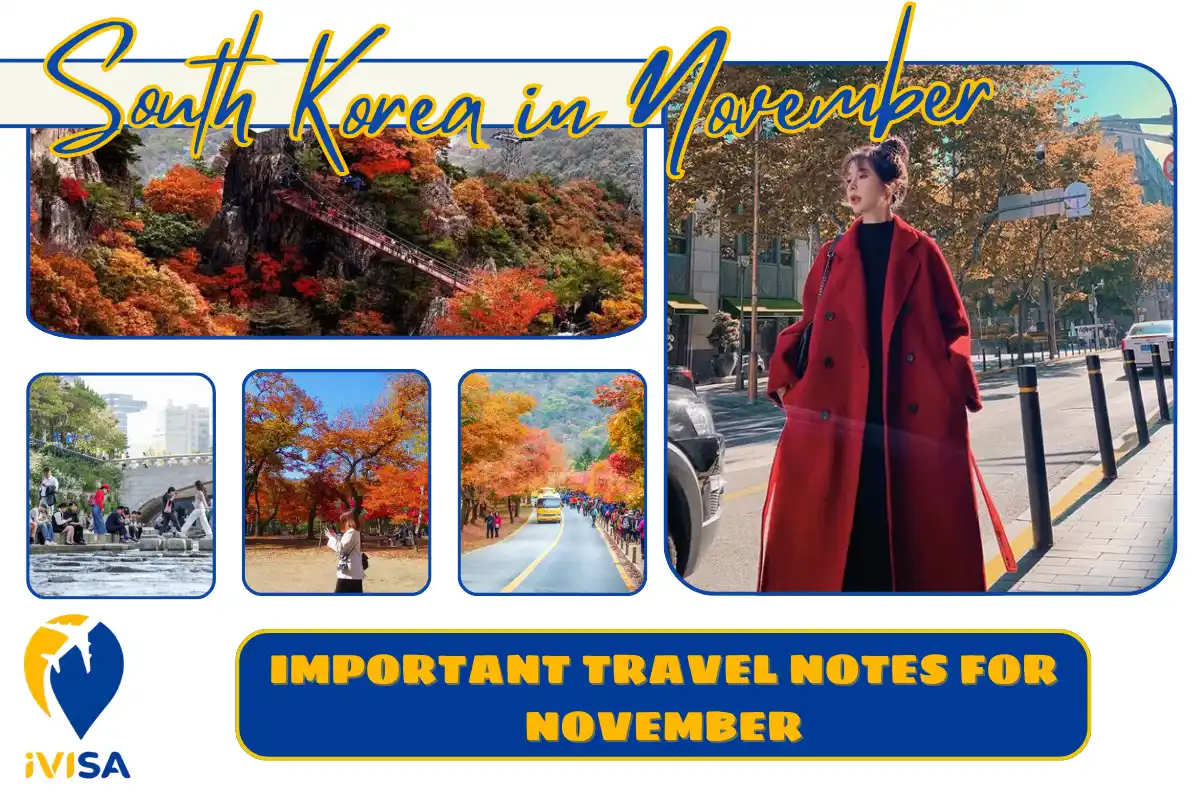
- Always keep warm, especially in the early morning and late evening when temperatures drop sharply.
- Pack thick coats, scarves, gloves, and hats to prevent colds. Elderly travelers and children should have heat packs or warmers on hand.
- Be cautious in mountain or park areas, as morning dew can make paths slippery. Wear grip-soled shoes and avoid hiking late in the day.
- Note that sunset comes early in November (around 5 PM), so plan your photo sessions and sightseeing accordingly.
These simple tips will help ensure a safe, cozy, and fulfilling Korean autumn journey.
Frequently Asked Questions About Traveling to South Korea in November
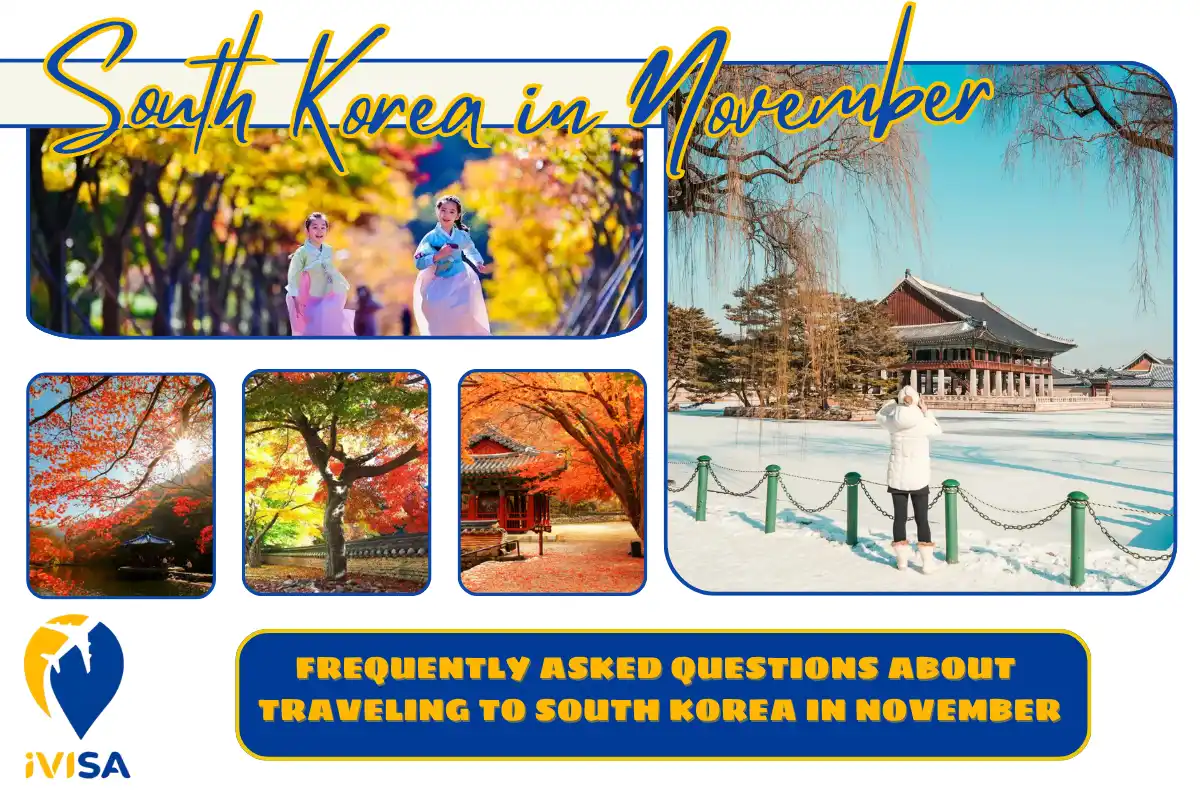
Is it cold in South Korea in November?
Yes, it starts to get chilly but not freezing. Average temperatures are around 2–13°C, with dry, pleasant air — ideal for sightseeing and enjoying fall foliage.
Does it snow in South Korea in November?
Snow is rare, mostly appearing in high-altitude regions such as Seoraksan, Gangwon, or Hallasan (Jeju Island). Visit these areas in late November for a chance to see the first snowfall of the season.
Should I visit South Korea in October or November?
October is best for vibrant fall colors and lively festivals, while November offers a calmer atmosphere, lower travel costs, and cool, refreshing weather — perfect for a peaceful getaway.
Does it rain a lot in South Korea in November?
No. November is one of the driest months of the year. The monsoon season has long ended, and the skies are typically clear with low humidity.,
If you love the peaceful beauty of autumn blending into winter, November is the perfect time to visit South Korea. Stunning scenery, comfortable weather, and fewer crowds make it an unforgettable experience.
Contact iVISA today for quick and convenient support with your South Korea tourist visa, and get ready to pack your bags for an enchanting late-autumn journey through the Land of Morning Calm!
iVISA Property & Citizenship
- Add: Số 99 Nguyễn Thị Nhung, phường Hiệp Bình, TPHCM
- Hotline: 0937 999 610
- Email: info.ivisatravel@gmail.com
