


 Dubai Tourist Visa
 China Tourist Visa
 South Korea Tourist Visa
 Japan Tourist Visa
 Taiwan Tourist Visa
 Hong Kong Tourist Visa
 Golden Visa UAE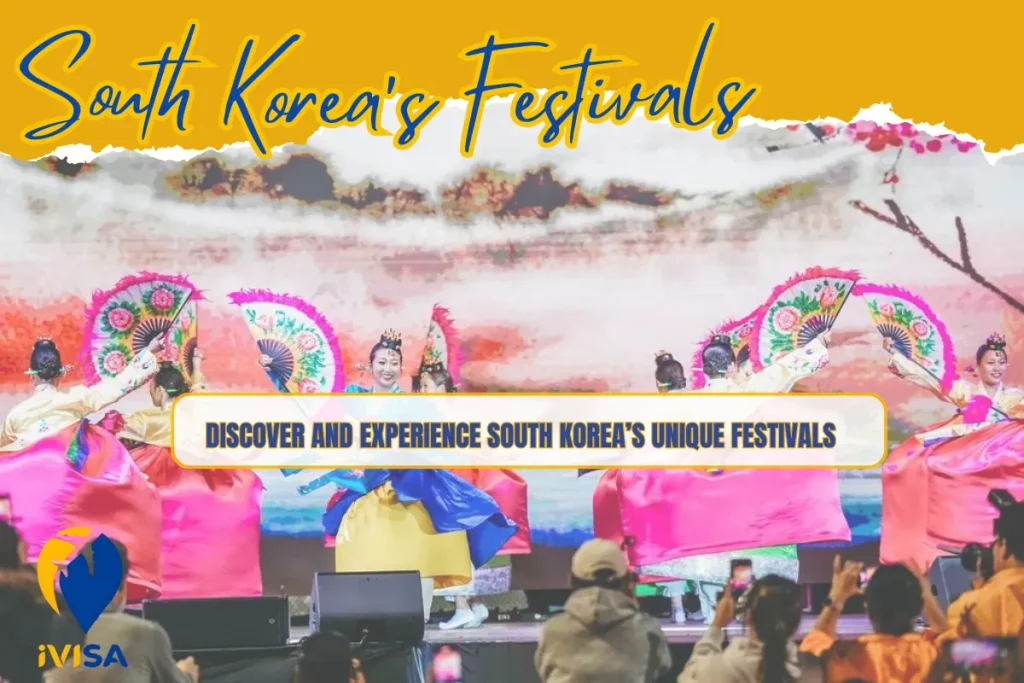
South Korea is not only captivating with K-pop culture, cuisine, or the beauty of four seasons, but its unique festivals are also highlights that attract millions of tourists every year. Each festival tells its own story, reflecting the life, beliefs, and history of the South Korean people.
Overview of South Korea’s Unique Festivals
Festivals in South Korea are not just entertainment events-they also reflect the cultural life of the South Korean people. Each festival tells its own story, organized by season or associated with special traditional occasions. This helps preserve long-standing cultural values while connecting the community. According to the South Korea Tourism Organization (KTO), about 70–80 large and small festivals occur nationwide annually, attracting over 50 million domestic and international visitors, of which about 30% are foreigners.
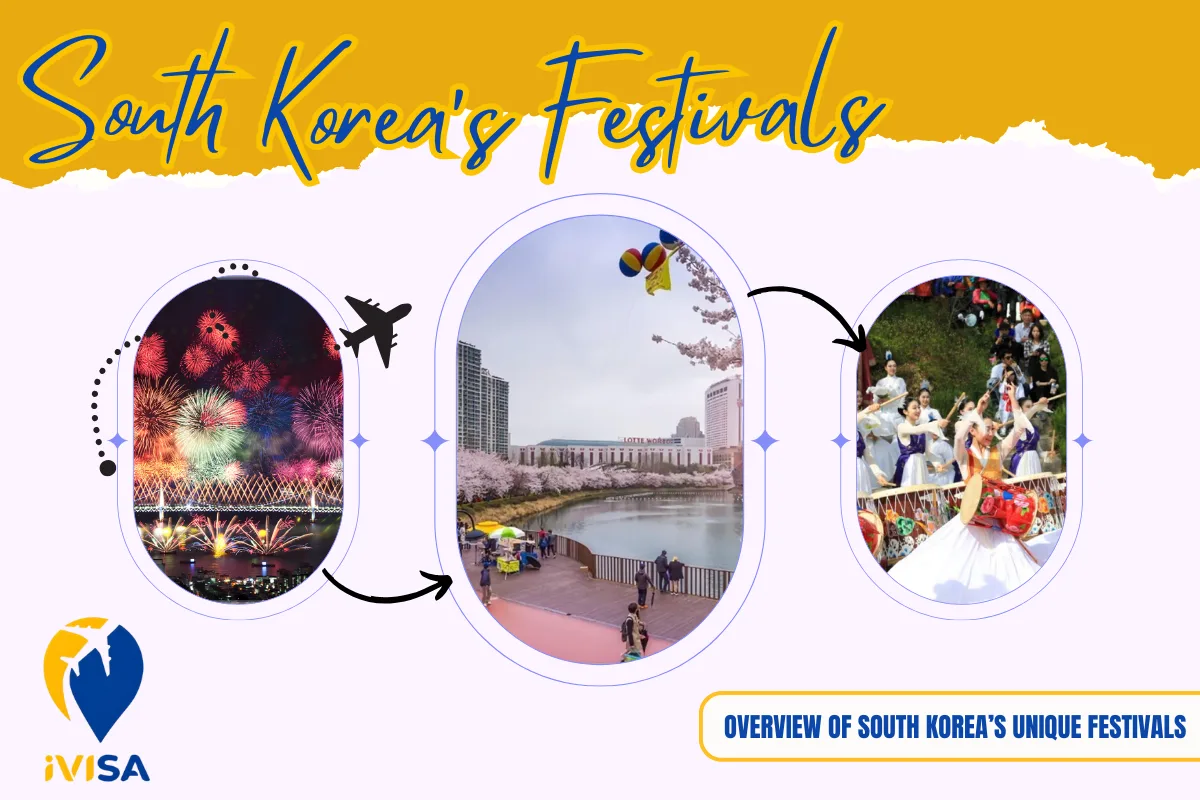
Visitors will easily notice this diversity through vibrant spring festivals with cherry blossoms, lively summer festivals on the beaches, calm autumn festivals with red and yellow leaves, and snowy winter events. Each region offers a unique experience, making South Korea’s unique festivals an unmissable highlight in every travel itinerary.
Festivals by Season in South Korea
Spring in Korea and Its Festivals
Spring in South Korea always makes visitors’ hearts flutter with cherry blossoms blooming across the streets. Among South Korea’s unique festivals, the Jinhae Cherry Blossom Festival is a must-see experience. It is held from late March to early April in Jinhae, Gyeongsangnam-do.
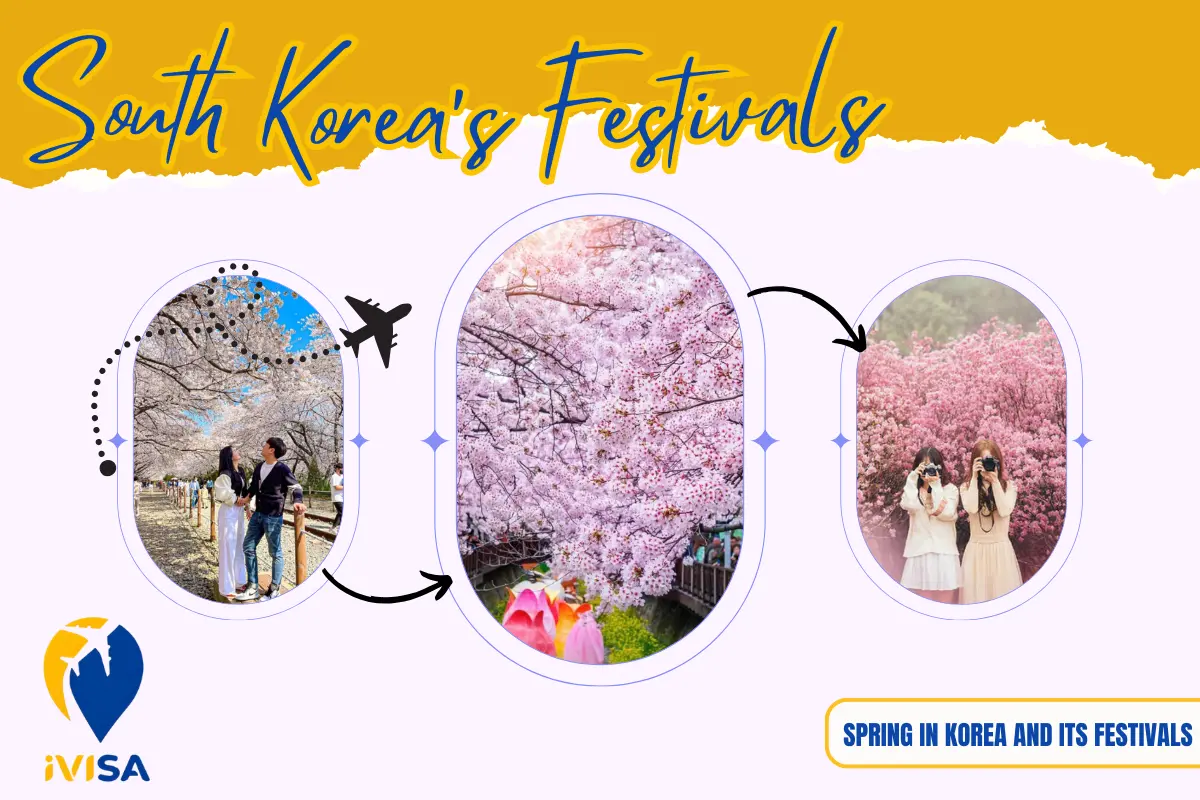
The romantic scenery of the festival attracts visitors to stroll along Yeojwacheon Stream. Visitors can admire the falling petals and capture memorable moments at Gyeonghwa Station. In addition, enjoying local spring street food such as hotteok, tteokbokki, or fried chicken is also an important part of a South Korean travel experience that you should remember. For those traveling independently in South Korea, tasting local food at the festival also helps you better understand the culture and daily life of the South Korean people.
The Jinhae Cherry Blossom Festival not only celebrates nature’s beauty but also marks a new beginning of the year, conveying messages of luck and happiness. Therefore, it is an ideal destination for couples, families, or anyone who loves nature and photography. Statistics show that more than 2 million visitors attend the festival each year, of which about 30% are international tourists, creating a vibrant, multicultural space full of experiences.
Summer: Festival and Music Season
In summer, South Korea becomes an ideal destination for those wanting to enjoy golden sun, blue seas, and outdoor activities. Among South Korea’s unique festivals, the Boryeong Mud Festival stands out with its lively, energetic beach atmosphere. The festival takes place in July at Daecheon Beach, Boryeong.
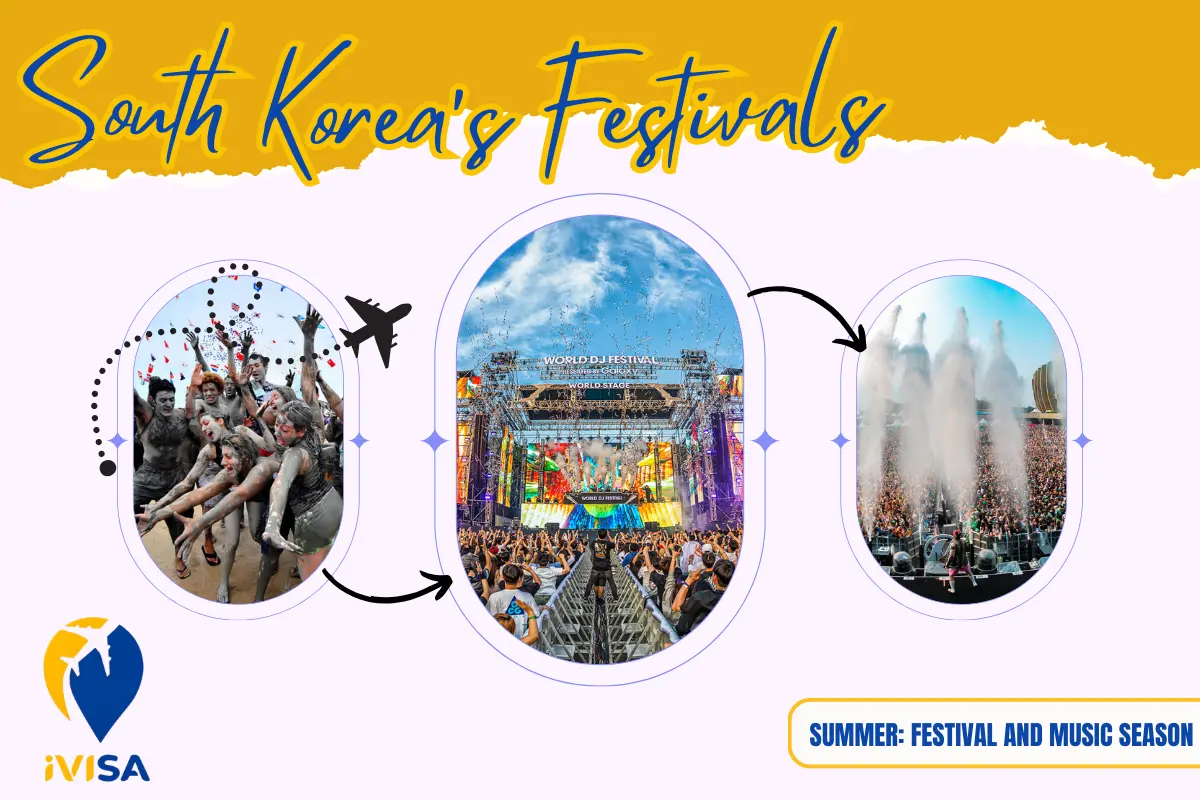
At the festival, visitors can freely slide through mud, enjoy mineral mud baths, participate in water games, and enjoy lively EDM music. These activities are especially suitable for independent travelers wanting a unique summer festival atmosphere while gaining practical South Korean travel experience.
Not only a fun festival, the Boryeong Mud Festival also promotes local mineral mud products. Every year, the event attracts around 1.5 million visitors, of which 20% are international tourists, making it one of the liveliest summer destinations in South Korea. By attending festivals like Boryeong, visitors not only experience unique mud games but also feel the energetic, creative spirit and distinctive festival culture of the South Korean people.
Autumn in South Korea: Romantic Foliage Season
Autumn in South Korea is always the ideal time to admire vibrant natural scenery with romantic red and yellow leaves. Among South Korea’s unique festivals, the Jinju Namgang Lantern Festival stands out with the dazzling beauty of thousands of lanterns floated on the Namgang River. The festival takes place in October at Namgang River, Jinju, attracting a large number of domestic and international visitors each year.
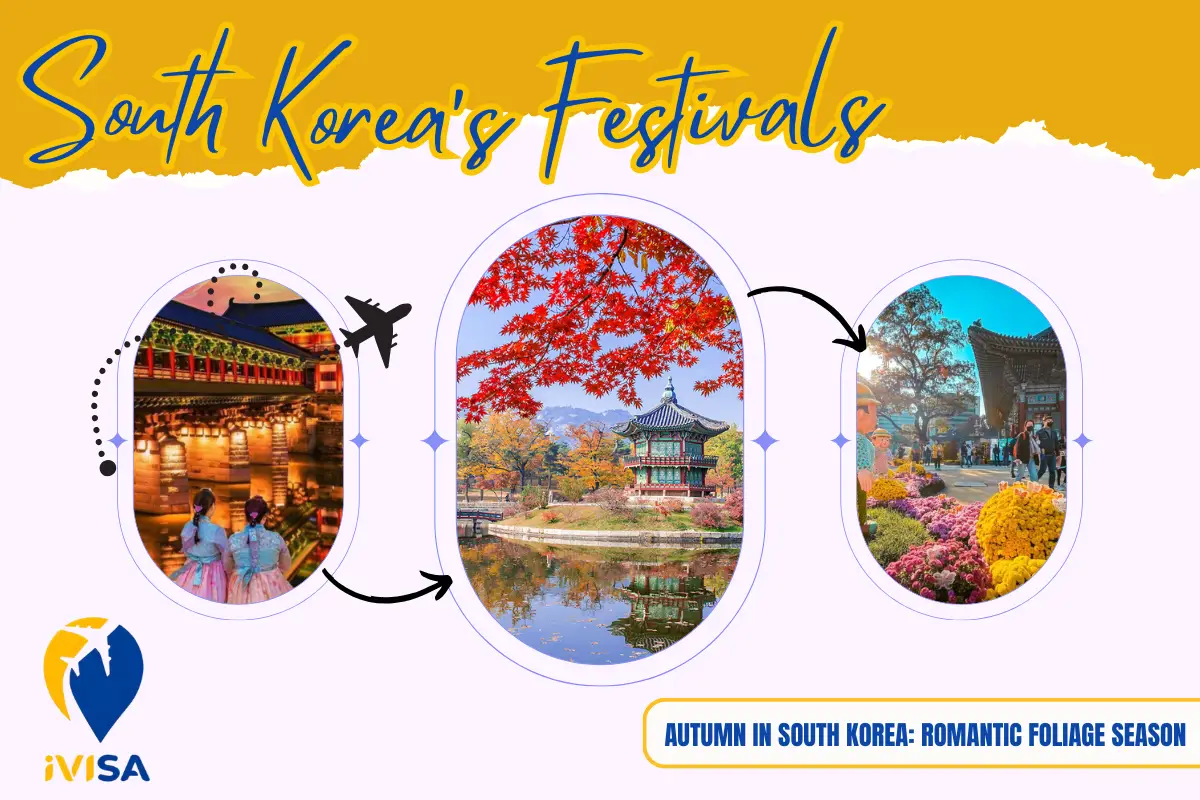
At the festival, you can experience unique activities such as floating lanterns and enjoying artistic light performances on the river. These activities not only provide unique artistic experiences but also help visitors learn about South Korean traditional culture and gain more exciting travel experiences.
Autumn is considered the most beautiful season to travel to South Korea, when the whole country is dyed in golden and red foliage, with clear skies and mild, pleasant weather. If you want to fully enjoy this romantic beauty and immerse yourself in the Jinju Namgang Lantern Festival, prepare your trip now. Contact iVISA to obtain a South Korean tourist visa immediately!
Winter in South Korea
Did you know that during winter, the Taebaeksan Snow Festival attracts around 200,000–300,000 visitors? This festival is one of South Korea’s unique winter festivals that anyone who loves winter should not miss.
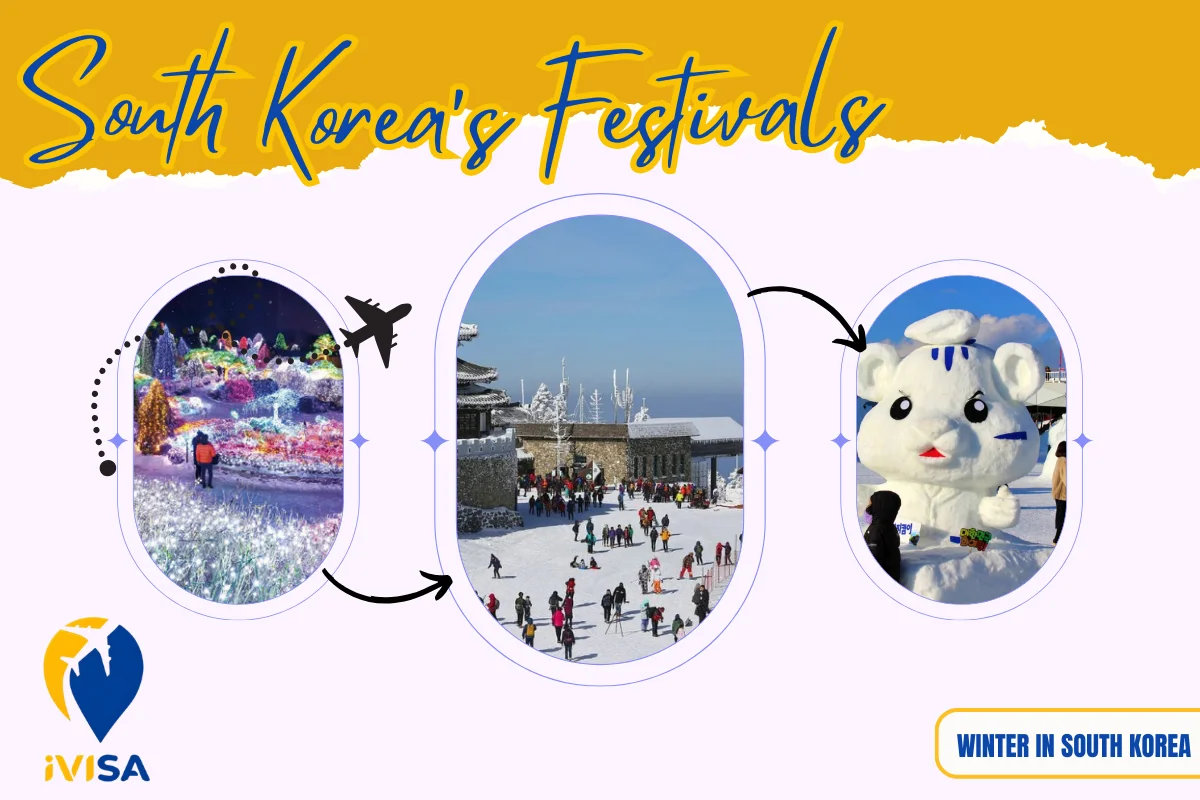
The Taebaeksan Snow Festival is usually held in January on Mount Taebaek, Gangwon Province. When it begins, the mountain area is transformed into a magical snowy wonderland. Visitors can freely ski, admire snow sculptures, and experience South Korea’s folk culture of the cold season.
South Korea’s Themed Unique Festivals
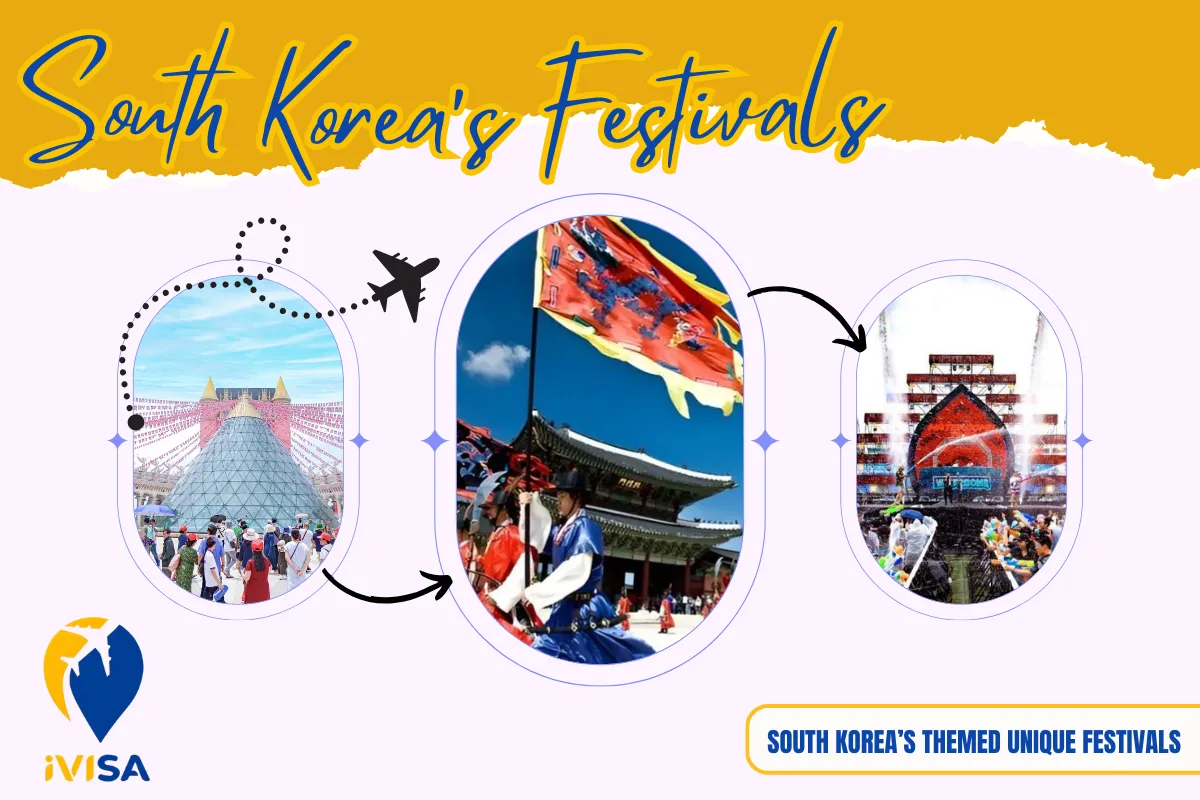
Besides seasonal festivals, South Korea also shines with themed festivals that reflect the cultural life, spirit, and unique lifestyle of its people. These events are not only entertainment opportunities but also help visitors understand traditions, creative arts, and the youthfulness of the South Korean nation. When talking about South Korea’s unique festivals, themed festivals are always highlights that bring multidimensional and memorable experiences.
Religious Festivals – South Korean Spiritual Life
Spiritual culture occupies an important position in South Korean life, clearly shown through Buddhist and ancestral festivals. A typical example is the Lotus Lantern Festival held in May in Seoul South Korea.
The highlight of the festival is the lantern release ritual, where thousands of lanterns are lit, symbolizing prayers for health and luck. When the lights reflect on the streets and temple grounds, the scenery becomes peaceful and serene. This is an opportunity for visitors not only to admire spiritual beauty but also to experience the traditional lifestyle and ancient philosophies of the South Korean people.
Art Festivals in South Korea
South Korea also stands out with art festivals where creative spirit is honored, attracting artists from around the world. The Busan International Film Festival (BIFF) held in October is one of Asia’s largest film events. BIFF not only screens excellent films but also serves as an international cultural exchange platform, bringing unique artistic experiences for visitors and the creative community.
In addition, the Busan Fireworks Festival is an unmissable event. Thousands of colorful fireworks light up the sky, combined with lively music to create a visually enchanting space. These art festivals not only bring joy but also convey creative and cultural values, inspire everyone, and help visitors explore South Korea travel experiences full of color.
Read more: Traveling to South Korea in November
Detailed Guide to Attending Festivals in South Korea
To attend South Korea’s unique festivals, you can fly directly from Vietnam to Seoul, Busan, or Jeju. Then, use KTX trains, local trains, or intercity buses to reach festival venues easily.
Most festivals last 5–12 days. Therefore, iVISA recommends attending in the first 2–3 days to avoid crowds. Especially for winter festivals, depart early to avoid snow and traffic issues.
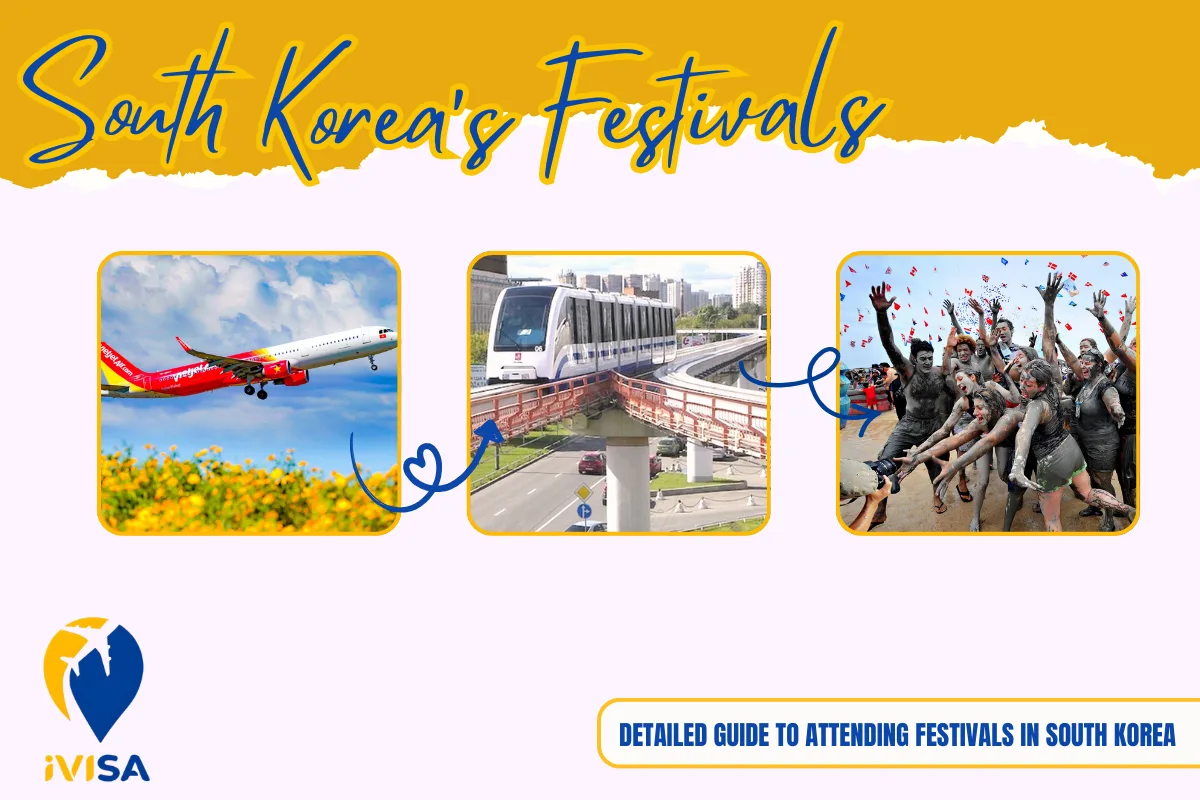
When attending festivals, you should also choose clothing suitable for the season. Light and comfortable clothing for spring and autumn makes movement easier, while winter in South Korea requires warm coats, gloves, hats, and anti-slip shoes. Don’t forget to enjoy famous South Korean street foods such as tteokbokki, hotteok, fried chicken, and makgeolli.
Practical Experiences of Festivals in South Korea
Attending South Korea’s unique festivals is not only a fun opportunity but also helps you fully feel the culture, cuisine, and traditions here.
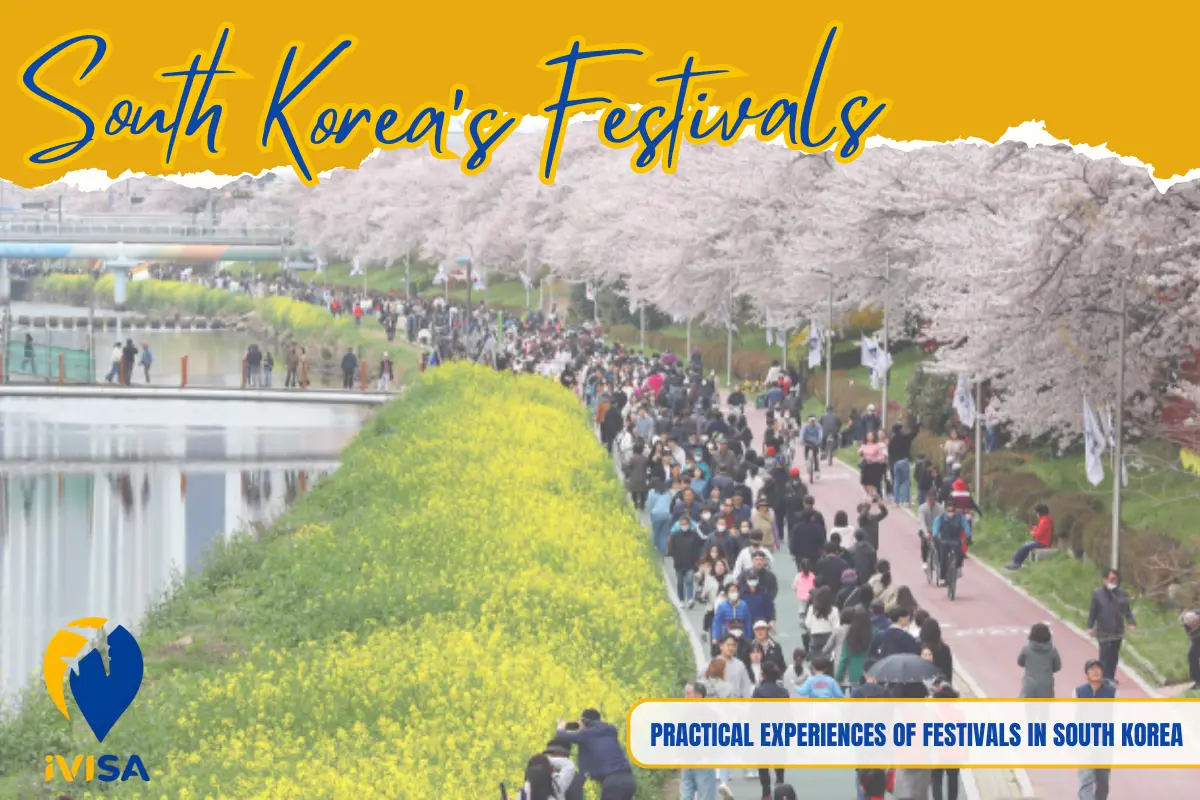
Ms. Hoa, a client who obtained a South Korea tourist visa via iVISA, recalled: “I still remember attending the Boryeong Mud Festival. The festival was crowded, lively, and full of energy. I slid through mud, enjoyed mineral mud baths, and danced to EDM on Daecheon Beach. It was an experience that made me both happy and free, and unforgettable.”
She also advised: “If you are about to travel to South Korea, prepare season-appropriate clothing and don’t miss street foods-they are extremely delicious. Most importantly, prepare your South Korean visa in advance to ensure a smooth trip. I used iVISA’s support; their service was fast and professional, so I could confidently explore independent travel in South Korea and fully enjoy its unique festivals.”
Frequently Asked Questions About South Korean Festivals
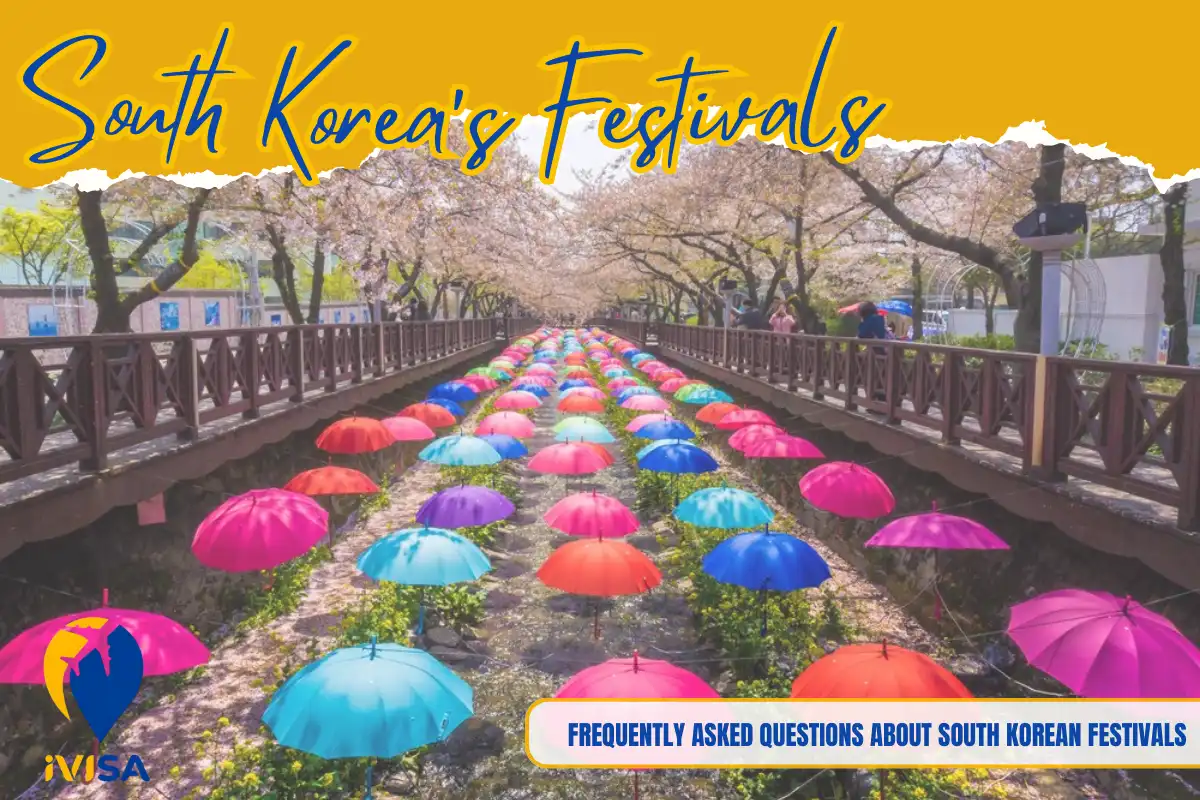
Which is the largest festival in South Korea?
The Yeon Deung Hoe (Lotus Lantern Festival) in Seoul is considered South Korea’s largest festival, attracting thousands of visitors each year. It is not only an opportunity to admire thousands of glowing lanterns but also to experience deep cultural and spiritual values. Attending the festival allows you to better understand Buddhist life, traditional customs, and gain memorable South Korea travel experiences.
Which festival is ideal for families?
For families, the Jinhae Cherry Blossom Festival and the Taebaeksan Snow Festival are safe, easy to participate in, and bring joy to all ages. Children can enjoy games, parents can admire the scenery and take photos, while experiencing full independent travel in South Korea.
Which festival combines entertainment with historical value?
The Jinju Namgang Lantern Festival commemorates the Namgang Battle in history. The festival not only releases beautiful lanterns but also reenacts historical events, allowing visitors to enjoy both entertainment and cultural education. This is an unmissable experience if you want to explore South Korea’s unique festivals with meaningful depth.
When is the ideal time to attend festivals and travel to South Korea?
The best time to visit South Korea is spring and autumn. The weather is pleasant, the scenery is stunning, and it is an ideal time to enjoy outdoor festivals and explore local cuisine.
Have you ever wondered what makes South Korea’s unique festivals unmissable? Each season, each festival in South Korea tells a story of the Land of the Morning Calm. Come to South Korea and experience it yourself in the most complete way!
iVISA Property & Citizenship
- Add: Số 99 Nguyễn Thị Nhung, phường Hiệp Bình, TPHCM
- Hotline: 0937 999 610
- Email: info.ivisatravel@gmail.com
