


 Dubai Tourist Visa
 China Tourist Visa
 South Korea Tourist Visa
 Japan Tourist Visa
 Taiwan Tourist Visa
 Hong Kong Tourist Visa
 Golden Visa UAE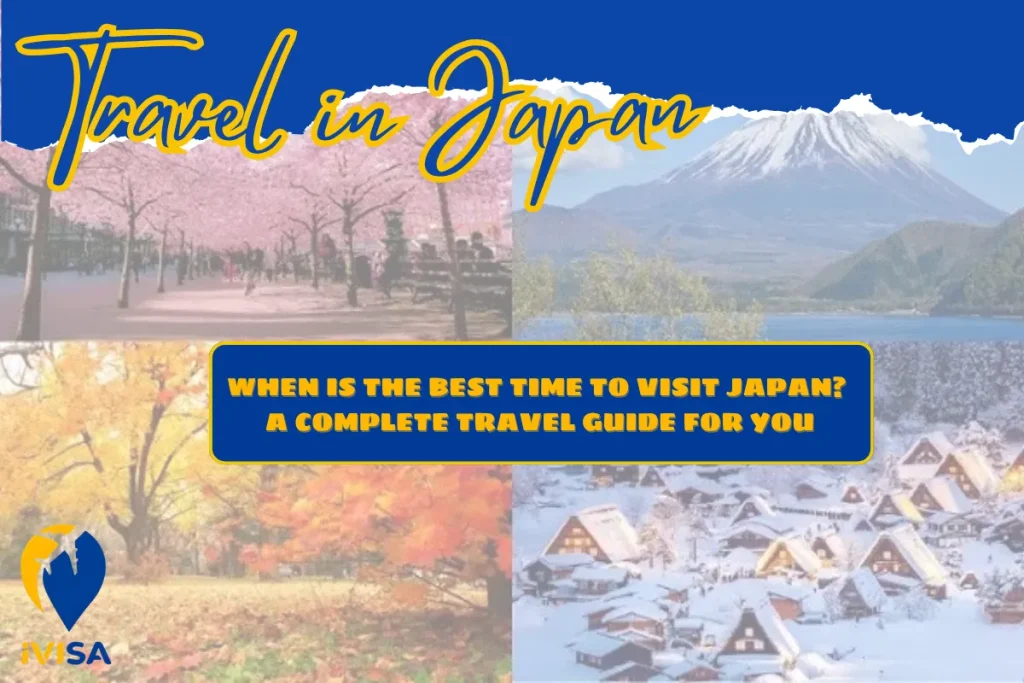
Did you know that over 70% of international tourists choose Japan based on its weather? With four distinct seasons – from dazzling cherry blossoms to romantic autumn foliage – Japan offers a unique experience every time of the year. If you’re wondering when is the best time to visit Japan, let’s explore each season in detail to discover the perfect time for your trip.
Overview of Japan’s Climate
The answer to the question “When is the best time to visit Japan?” lies in the country’s unique climate. Japan stretches over 3,000 km from north to south, sitting in a temperate zone, which creates distinct regional weather patterns.
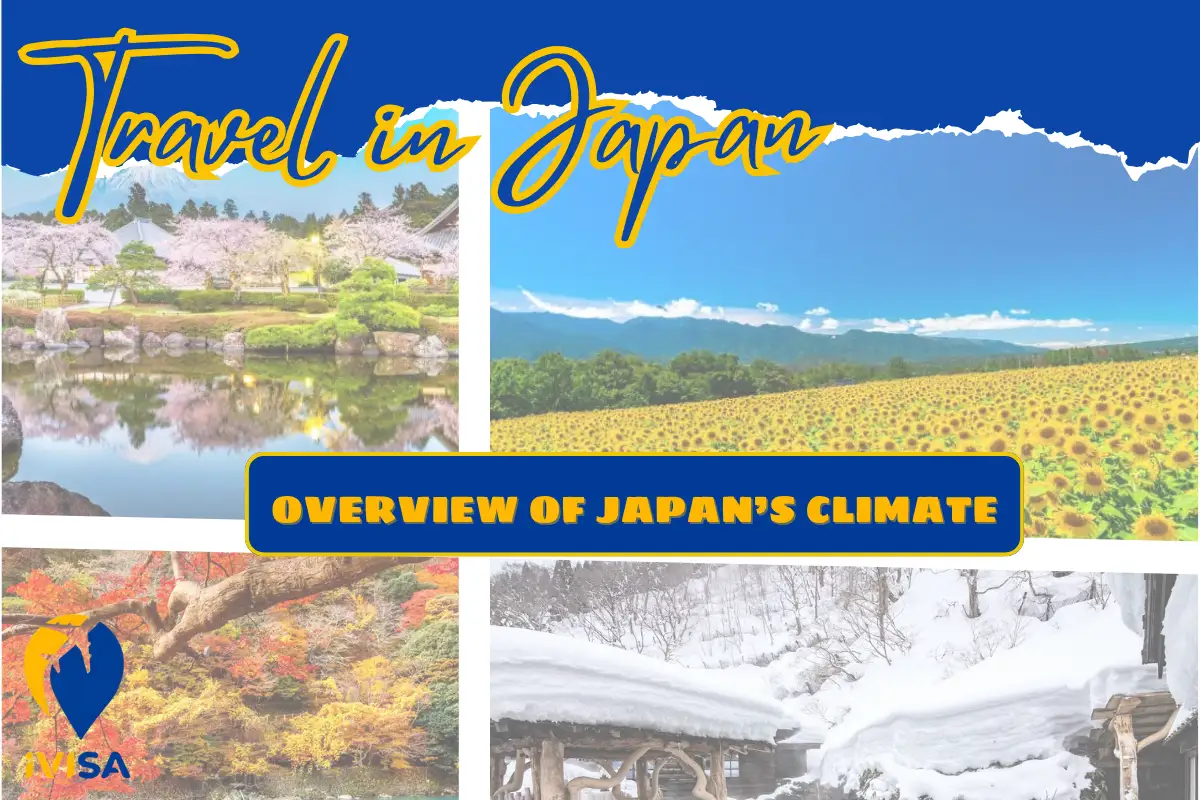
In the north, such as Hokkaido, winters can drop below -10°C with heavy snowfall blanketing entire towns. Meanwhile, in Tokyo or Osaka, summers are hot and humid, reaching up to 35°C. According to the Japan Meteorological Agency (JMA), Japan’s average annual temperature ranges between 12–16°C, offering ideal conditions for year-round travel.
Each season has its charm:
- Spring – soft and colorful with cherry blossoms
- Summer – lively and festive
- Autumn – romantic with maple leaves
- Winter – serene under a white blanket of snow
The Japan National Tourism Organization (JNTO) reports that Japan welcomes over 25 million international visitors each year, and more than 60% choose their travel time based on seasonal attractions. Clearly, the four seasons are a major reason Japan is so enchanting.
Spring: Cherry Blossoms in Full Bloom
If you ask people when Japan is most beautiful, most will say spring. This is when the country transforms into a pink paradise filled with cherry blossoms – a symbol of beauty, impermanence, and cultural elegance.
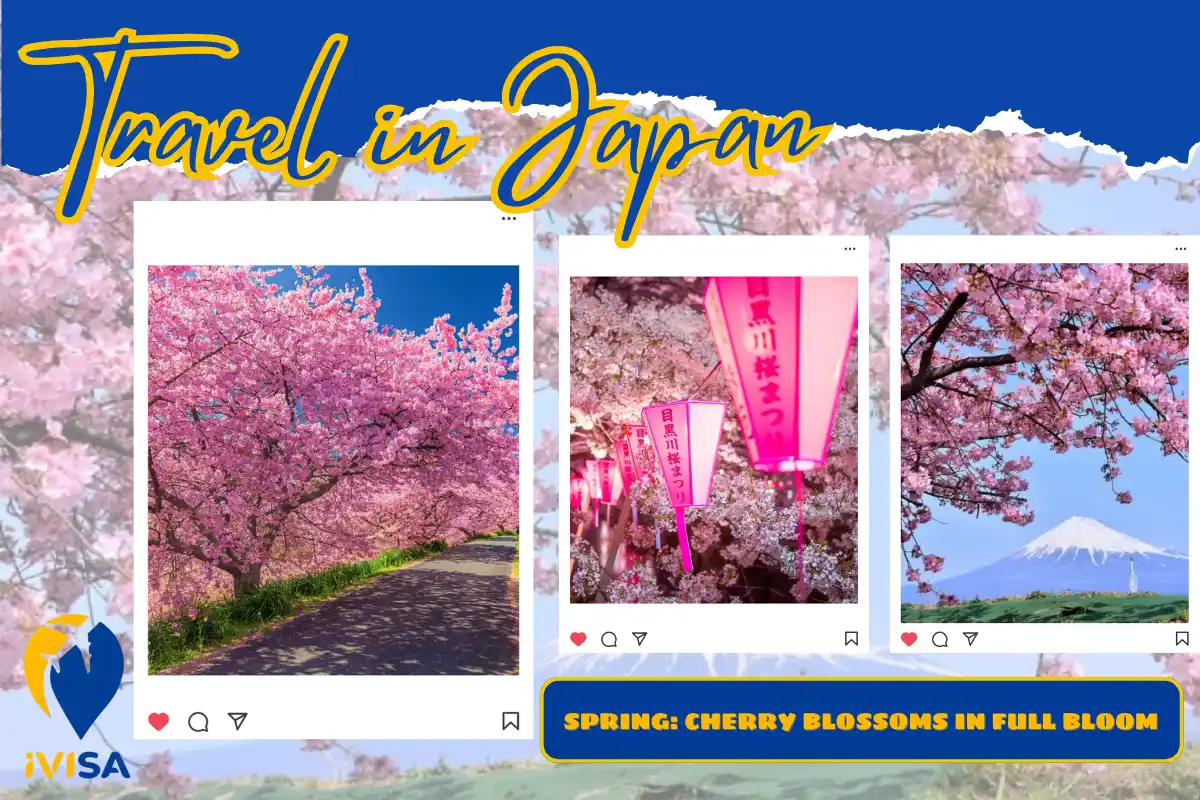
Spring lasts from March to May, with mild temperatures ranging from 10–20°C, perfect for sightseeing. From parks and castles to riverbanks, cherry blossoms bloom everywhere, creating a dreamy landscape.
Famous Cherry Blossom Viewing Spots
- Tokyo: Ueno Park and Meguro River are among the most popular, where thousands of cherry trees bloom in harmony.
- Kyoto: The Kamo River and the historic Gion district offer a mix of ancient charm and traditional culture.
- Osaka: Osaka Castle stands out with its reflection framed by rows of pink cherry trees.
- Hiroshima: The Peace Memorial Park features cherry blossoms set against a backdrop of quiet remembrance.
Spring Cultural Experiences
Spring is also the time for Hanami, Japan’s centuries-old cherry blossom viewing festival. Locals gather under the trees with family and friends to enjoy sake, food, and conversation. The event captures Japan’s love for nature and its refined sense of beauty. According to JNTO, over 40% of international travelers visit Japan in spring, mainly to attend Hanami festivals and capture breathtaking blossom photos.
Travel Tips for Spring
Spring is Japan’s peak travel season – book your flights and hotels 2–3 months in advance for better prices. Pack light jackets, comfortable shoes, and plan flexible itineraries because cherry blossoms bloom for only one to two weeks, depending on the region.
Spring truly represents the perfect answer to “When is the best time to visit Japan?” A season of gentle pink hues, pure air, and peaceful moments as petals fall softly on the water.
Summer: Festivals and Blue Seas
If spring is about calm beauty, summer in Japan is all about energy, color, and celebration. From June to August, the country bursts with fireworks, dance festivals, and the joyful sound of taiko drums.
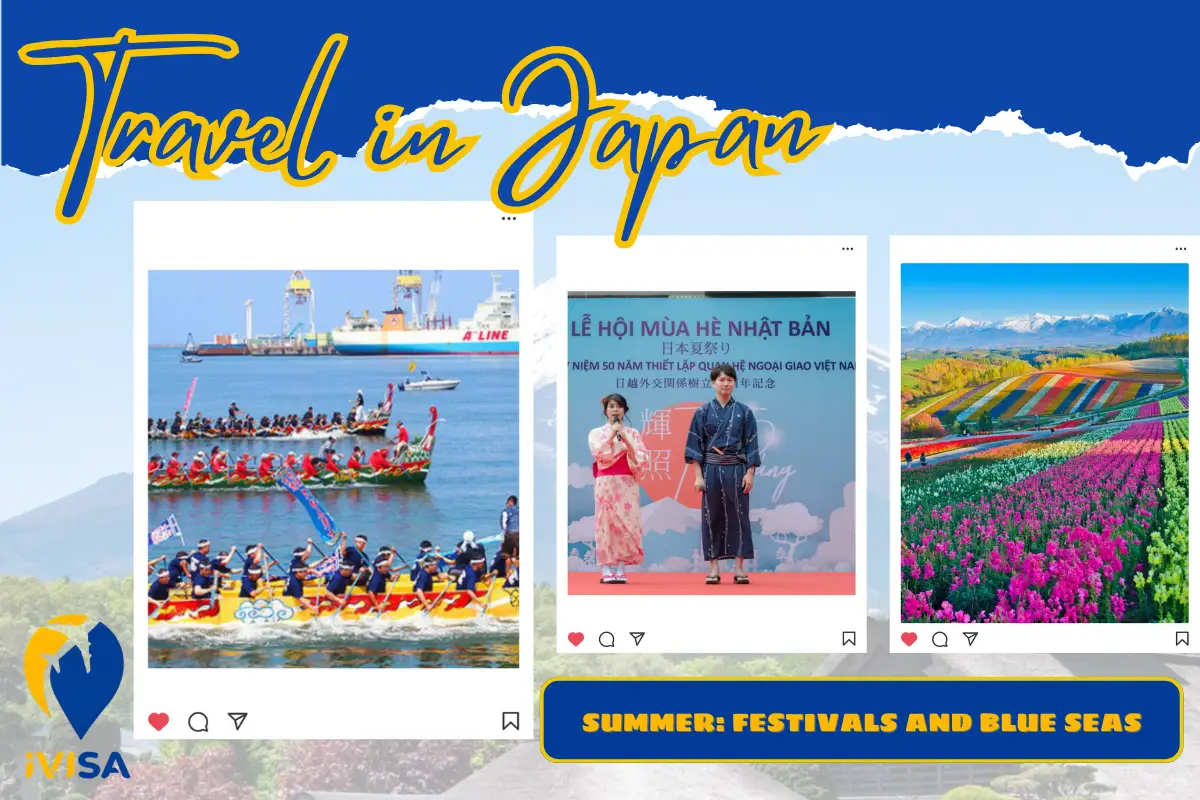
Despite the hot and humid weather (25–33°C), this is an amazing time to experience Japan’s festive spirit.
Major Festivals and Destinations
- Sumidagawa Fireworks (Tokyo): Millions gather along the Sumida River to watch spectacular fireworks.
- Bon Odori: A traditional dance festival expressing gratitude to ancestors.
- Mount Fuji Climbing Season: From July to September, thousands challenge the sacred 3,776m peak.
For beach lovers, Okinawa is a tropical paradise with turquoise waters, while Kamakura offers peaceful coastal charm. Hokkaido is the best place to escape the heat and admire endless lavender fields.
According to the Japan Travel Bureau (2023), summer attracts over 5 million international visitors. Many international students studying in Japan also take this opportunity to explore local culture during their breaks.
Summer Travel Tips
Before your trip, prepare carefully – pack breathable clothes, comfortable shoes, and book early. If you’re staying long-term or visiting family under a Japanese visa sponsorship, double-check your entry documents. Japan travel experts recommend avoiding the Obon holiday (mid-August) to escape the crowds
Autumn: The Season of Red Leaves
When asked “When is the best time to visit Japan?”, many travelers will say autumn without hesitation. From October to late November, Japan glows in shades of gold and crimson, painting Kyoto, Nara, Nikko, and Tokyo with breathtaking fall colors.
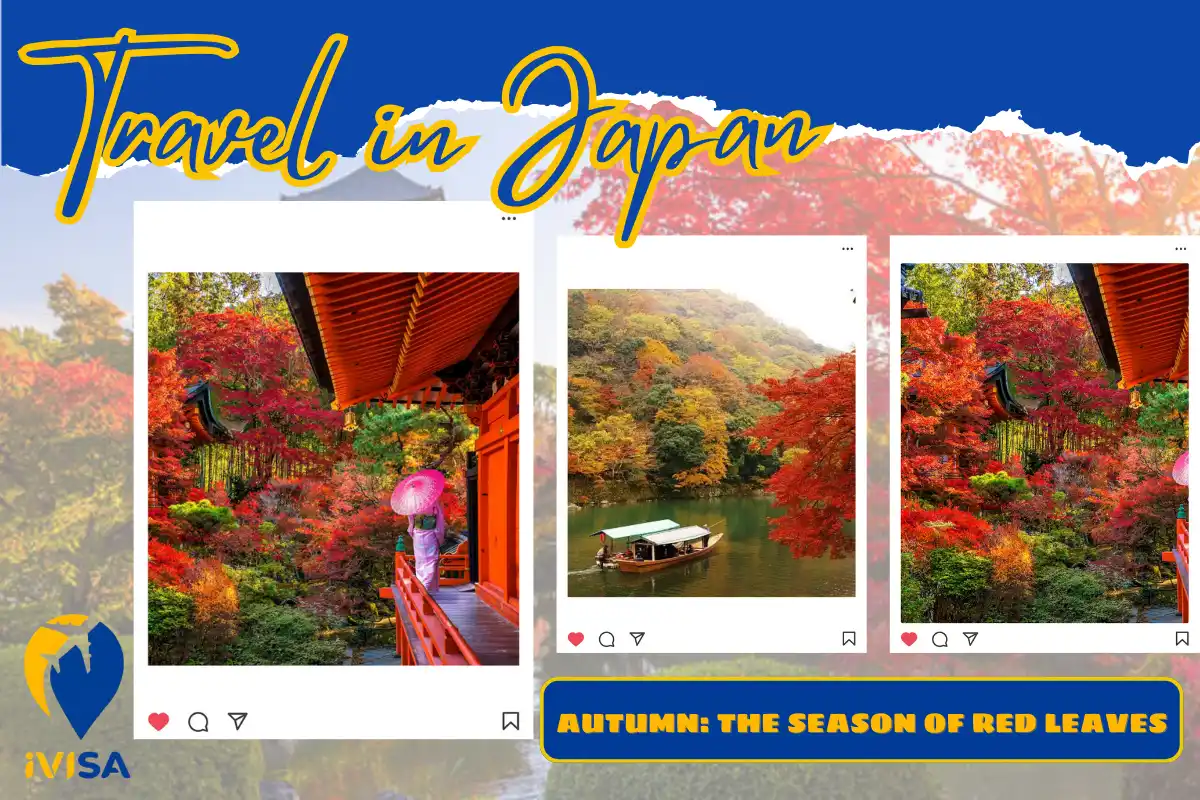
Top Autumn Festivals and Spots
The best places to admire the autumn foliage include:
- Arashiyama Forest (Kyoto)
- Lake Chuzenji (Nikko)
- Tofuku-ji Temple (Kyoto)
You can also join Jidai Matsuri in Kyoto or Momiji Festival in Hokkaido to experience Japan’s traditional festivities.
Autumn cuisine is another highlight – grilled mackerel, matsutake mushrooms, chestnuts, and wagashi sweets perfectly express Japan’s “eat with the season” philosophy.
Autumn Travel Tips
According to JNTO (2023), autumn tourism rose 28% compared to the yearly average, with many Vietnamese travelers favoring this season for its mild weather and romantic scenery. To make the most of your Japan trip:
- Book flights and hotels 1–2 months early
- Pack a light jacket and walking shoes
- Apply early for your Japan tourist visa, especially if it’s your first visit.
For visa assistance or full support from A–Z, contact iVISA for help with applications and travel planning.
Winter: The Snow Paradise
Winter turns Japan into a magical white wonderland, with temperatures ranging from 0–10°C, and below -10°C in Hokkaido. The serene landscape, crisp air, and quiet atmosphere make winter both majestic and poetic. If you love winter sports, visit Sapporo or Nagano, former Winter Olympic venues.
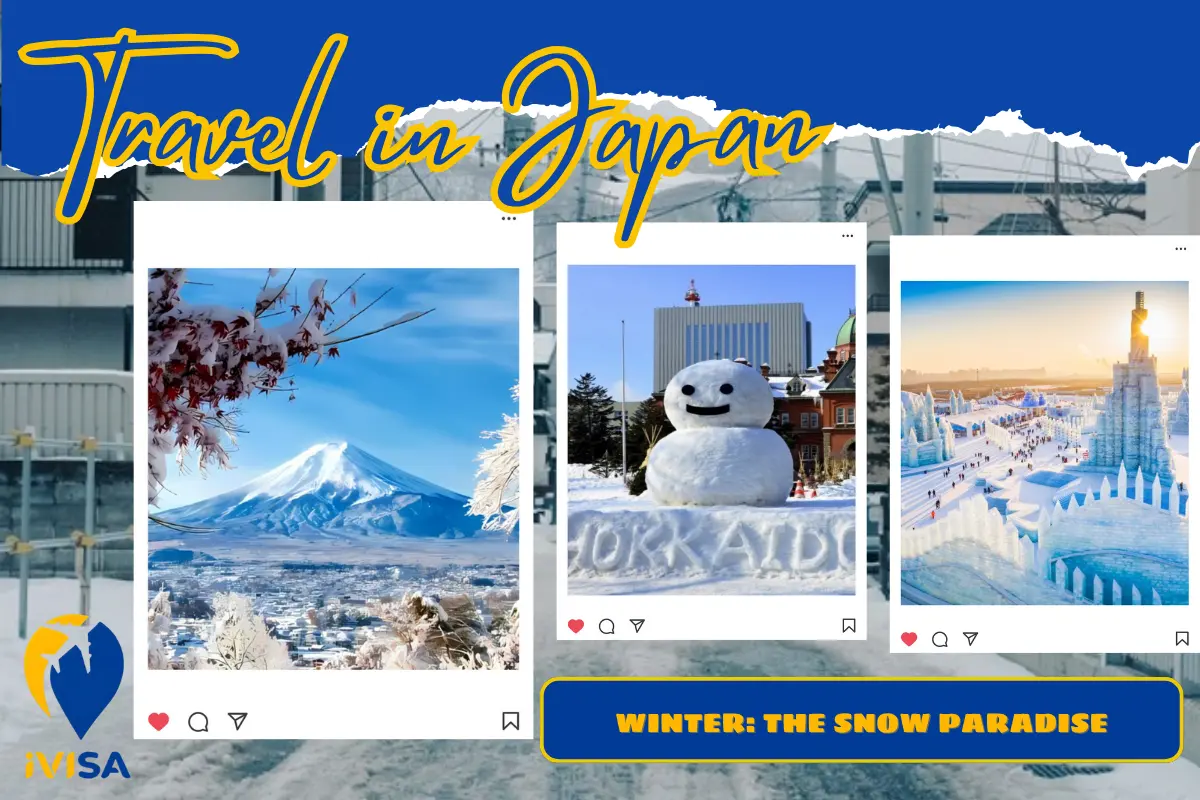
Relax in a traditional onsen (hot spring) surrounded by falling snow – a uniquely Japanese experience. Don’t miss Shirakawa-go, a UNESCO World Heritage village blanketed in snow, offering a fairytale-like charm.
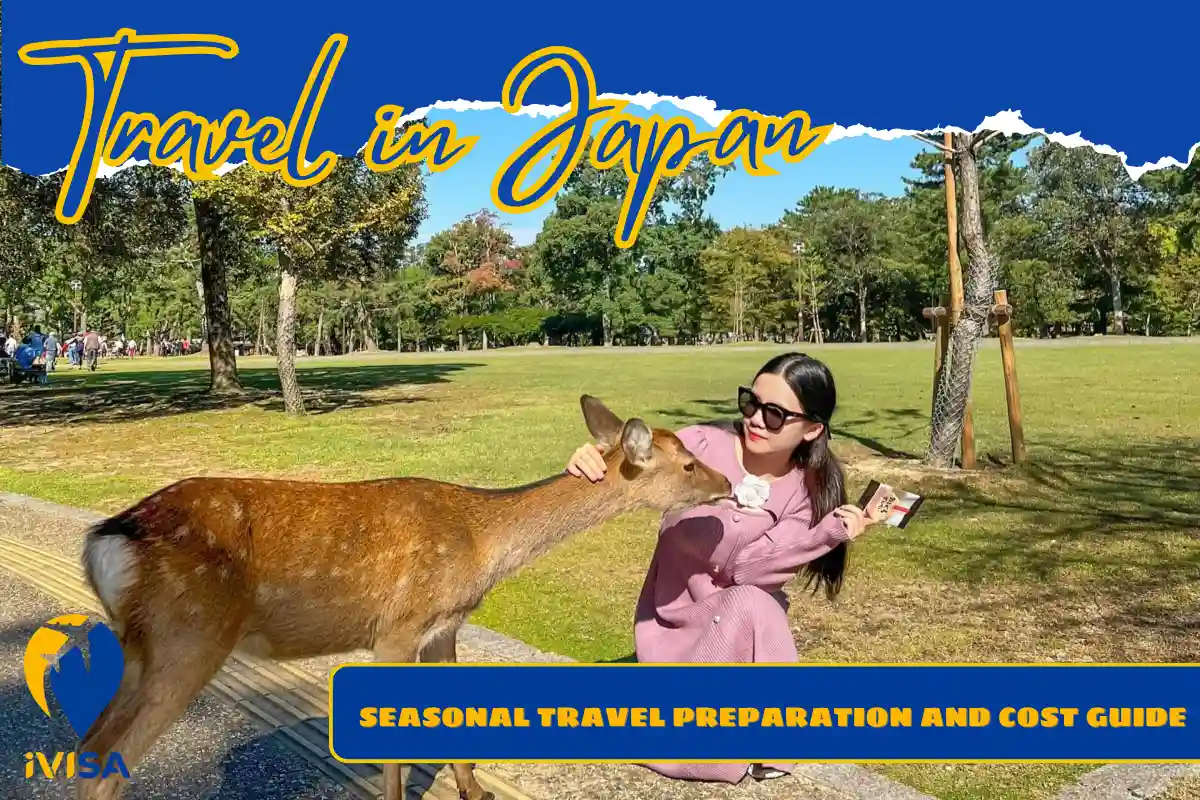
Seasonal Travel Preparation and Cost Guide
Airfare to Japan
Air travel is the most popular and fastest option. Prices depend on the airline, departure city, and booking time. Booking 1–2 months early or during promotions can save up to 40%.
- Vietjet Air offers affordable flights from Vietnam to Japan starting at 7 million VND/person, with frequent promotions.
- Japan Airlines, ANA, and Vietnam Airlines offer round-trip fares between 13–18 million VND, ideal for long or business trips.
Accommodation Costs
Accommodation in Japan is a major part of your budget and varies by type and location.
| Type |
Average Price/Night |
|
2–3 Star Hotels |
2,000 – 5,000 yen (~360,000 – 900,000 VND) |
|
Capsule Hotels |
700 – 1,500 yen (~130,000 – 270,000 VND) |
|
Ryokan (Traditional Inn) |
4,000 – 7,000 yen (~720,000 – 1,260,000 VND) |
|
4–5 Star Hotels |
8,000 – 15,000 yen (~1,440,000 – 2,700,000 VND) |
| Airbnb/Hostel |
1,500 – 3,000 yen (~270,000 – 540,000 VND) |
Food and Transportation Costs
|
Category |
Average Cost |
|
Budget Meals |
800 – 1,500 yen (~145,000 – 270,000 VND) |
|
Mid-range Restaurants |
2,000 – 3,000 yen (~360,000 – 540,000 VND) |
|
Fine Dining |
5,000 yen+ (~900,000 VND) |
| Local Transportation |
600 – 1,000 yen/day (~110,000 – 180,000 VND) |
| JR Pass (7 days) |
29,000 yen (~5.2 million VND) |
| Taxi |
120,000–140,000 VND for first 2 km + 60,000–80,000 VND/km next |
Tips to save money:
- Eat at convenience stores or 100-yen shops
- Use JR Pass or IC cards for intercity travel
- Plan your itinerary carefully to avoid unnecessary trip
Sightseeing and Experience Costs
Chi phí tham quan và trải nghiệm là yếu tố quyết định ngân sách cuối cùng cho chuyến du lịch Nhật Bản. Hầu hết các điểm tham quan tại Nhật có giá vé hợp lý, nhưng một số hoạt động đặc biệt hoặc công viên giải trí lớn có chi phí cao hơn.
|
Activity |
Average Cost/Person |
|
Museum/Temple Tickets |
500 – 3,000 yen (~90,000 – 550,000 VND) |
| Theme Parks |
1,500 – 9,400 yen (~270,000 – 1.7 million VND) |
| Cultural Activities |
3,000 – 8,000 yen (~550,000 – 1.45 million VND) |
This cost breakdown helps you plan a balanced budget for your trip – ensuring a fulfilling experience while staying within your limits.
FAQs About the Best Time to Visit Japan

What is the best season to visit Japan?
Most travelers agree that Japan autumn is the best time. From mid-October to late November, maple leaves turn vibrant red and gold across Kyoto, Nara, and Tokyo. The weather is dry and comfortable – perfect for sightseeing and photography.
Is spring in Japan beautiful?
Absolutely. If you love cherry blossoms, spring is the ideal time to visit. Parks and streets overflow with soft pink petals, creating one of the most iconic views in the world.
When is the cheapest time to travel to Japan?
Winter usually offers the lowest airfare and hotel rates. However, pack warm clothes before travel to Japan to stay comfortable in the cold weather.
Which season is best for shopping in Japan?
Summer is the season of major sales in Tokyo, Osaka, and big shopping malls – perfect for travelers combining sightseeing and bargain shopping.
Every season in Japan has its own charm – from pink cherry blossoms to fiery red maples and pure white snow. But if you’re seeking the best time to visit Japan, then spring and autumn are the perfect answers.
Start planning your journey early – and let iVISA accompany you in your visa Japan application, itinerary planning, and travel support every step of the way!
iVISA Property & Citizenship
- Add: Số 99 Nguyễn Thị Nhung, phường Hiệp Bình, TPHCM
- Hotline: 0937 999 610
- Email: info.ivisatravel@gmail.com
